"To meet the goal of science literacy, students must be actively involved in hands-on experiences."
(American Association for the Advancement of Science, Project 2061)
(American Association for the Advancement of Science, Project 2061)
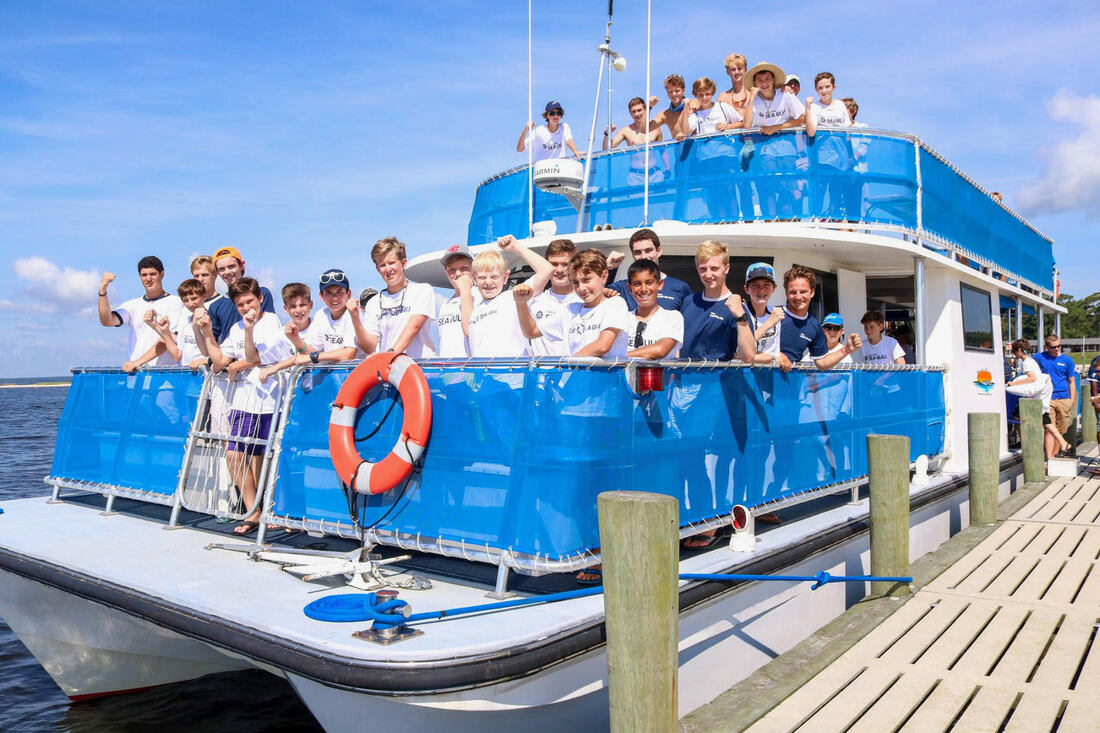
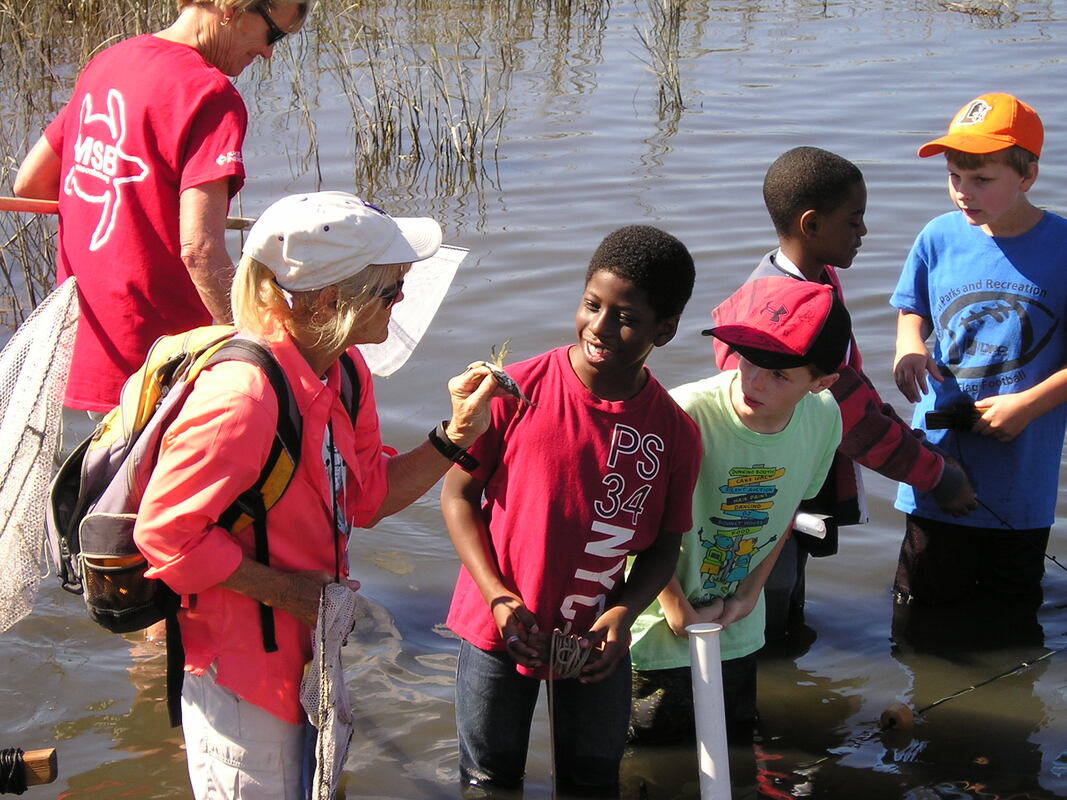
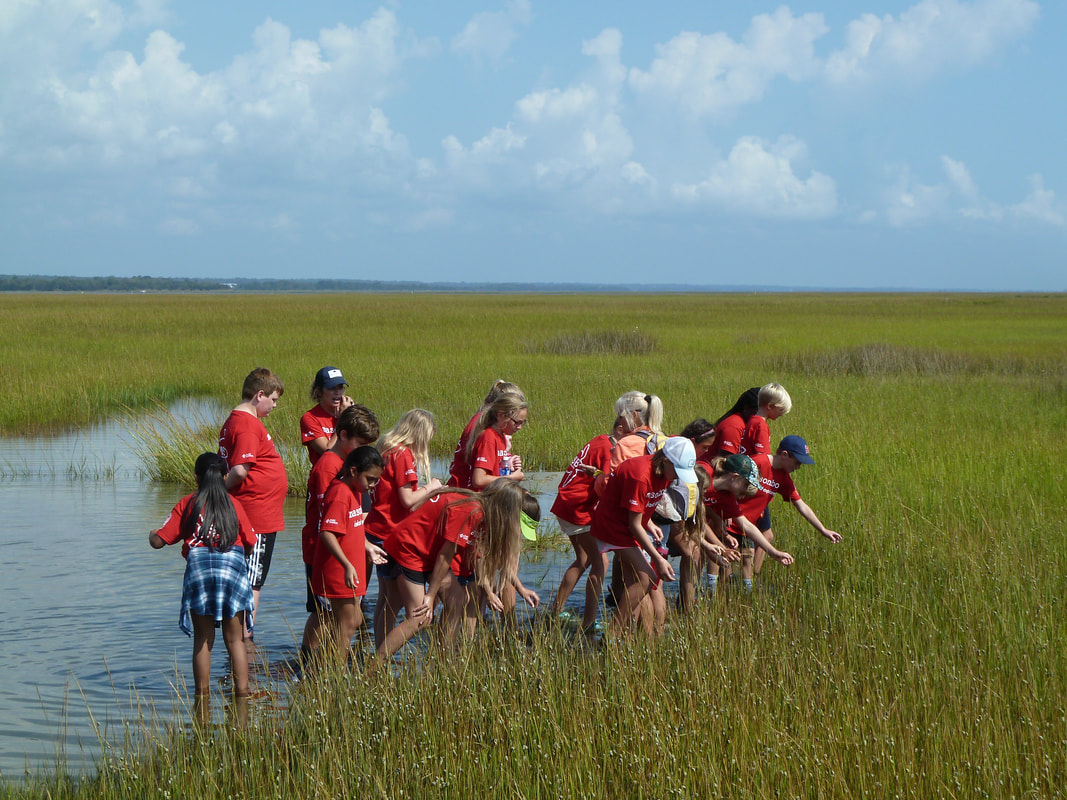
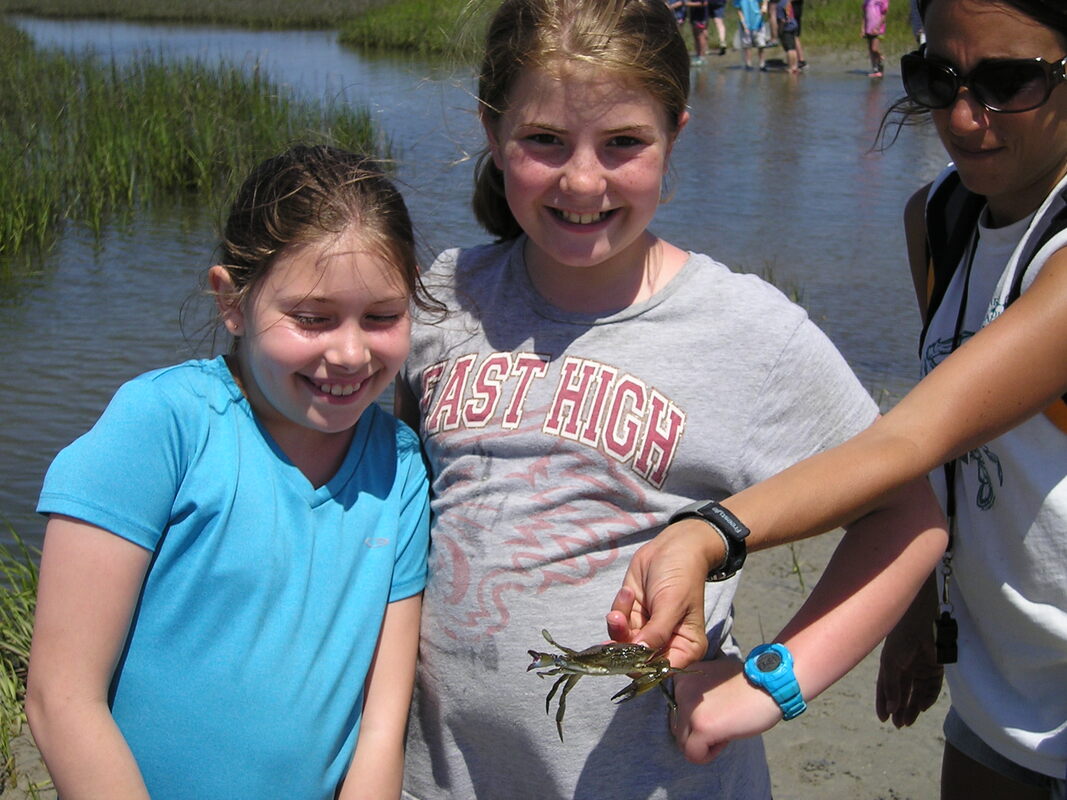
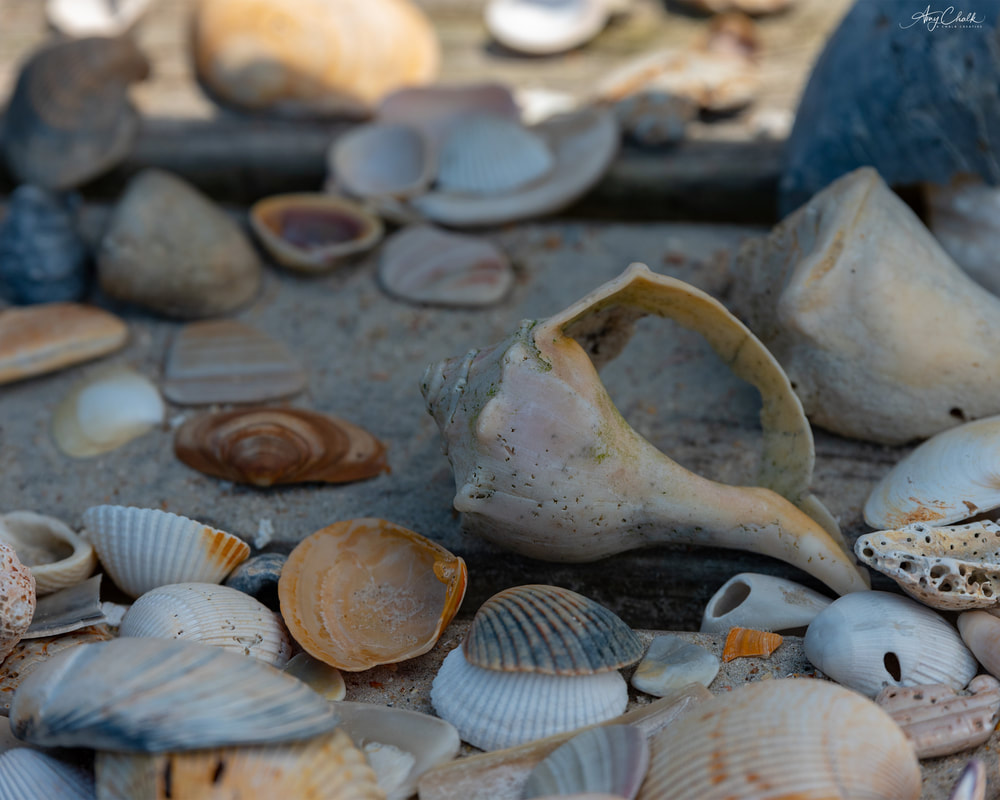
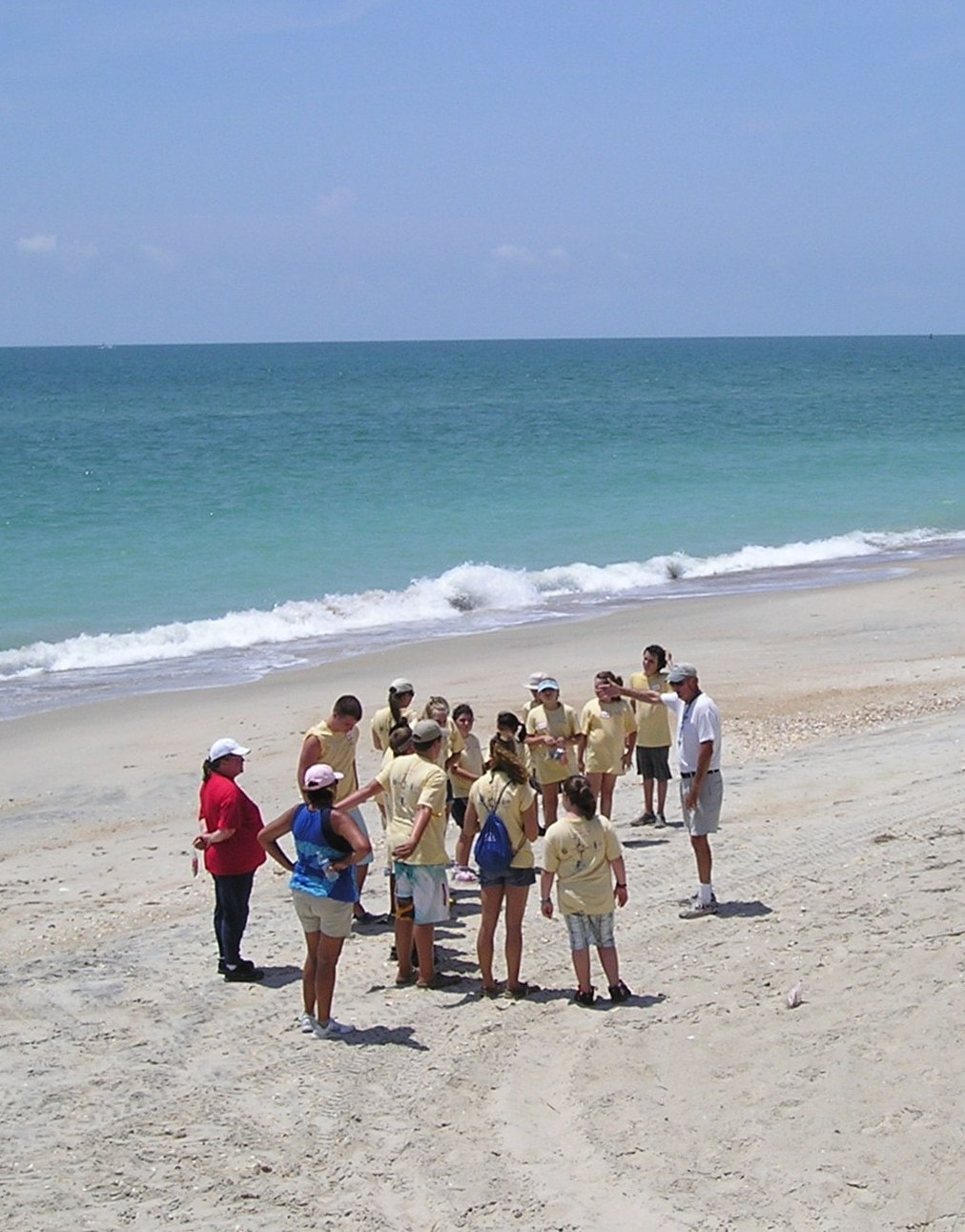
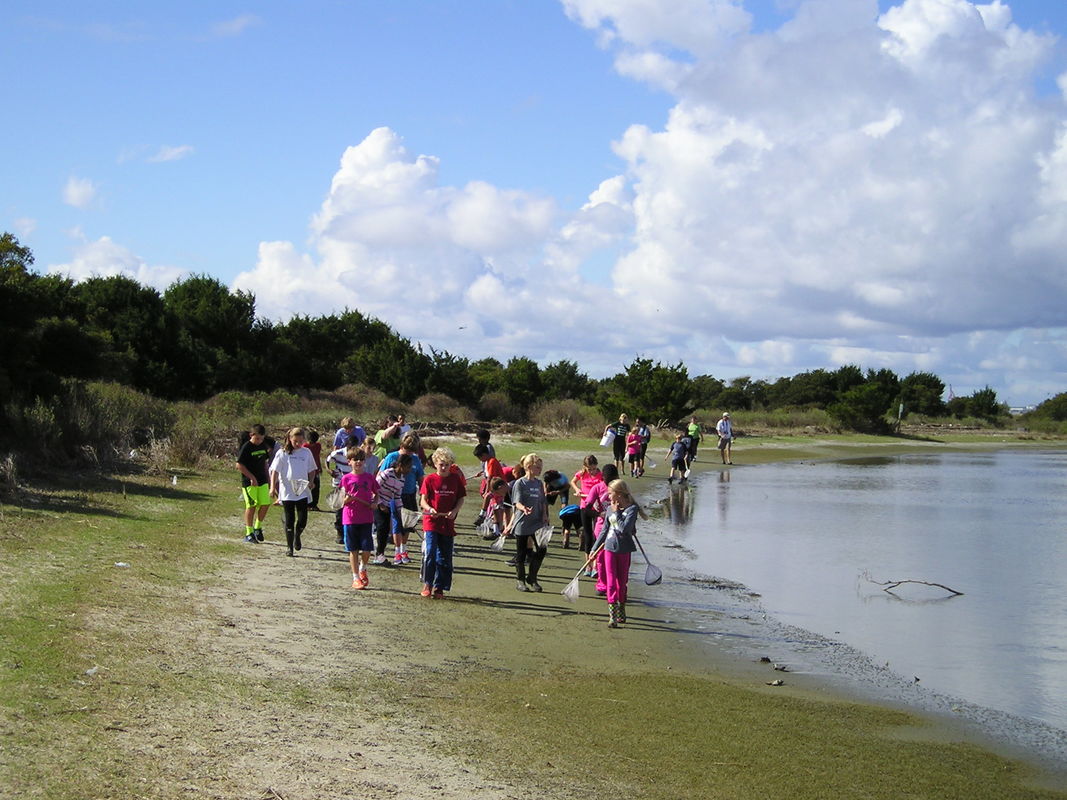
Island & Sound ExplorationOur oldest and most popular program, this excursion takes your class to the beautiful deserted beaches of Masonboro Island. Masonboro is the largest undeveloped island on North Carolina's southern coast and is preserved just for education, research and traditional uses. Activities can include crabbing, investigating the life found in a salt marsh and exploring one of the best shelling beaches in our state.
|
|
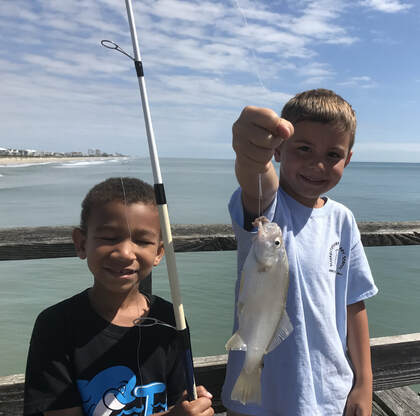
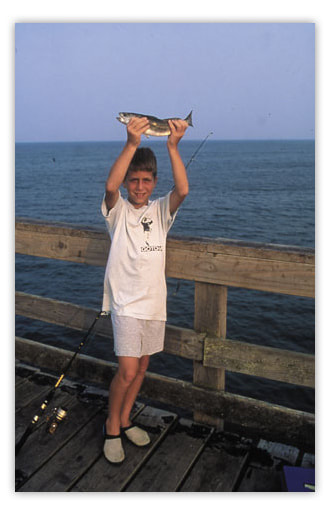
Pier into the OceanFish, search for fossils, hunt for mole crabs and do hands-on food web studies at the historic Kure Beach Pier. This program also includes a pizza lunch for your group's convenience.
|
|
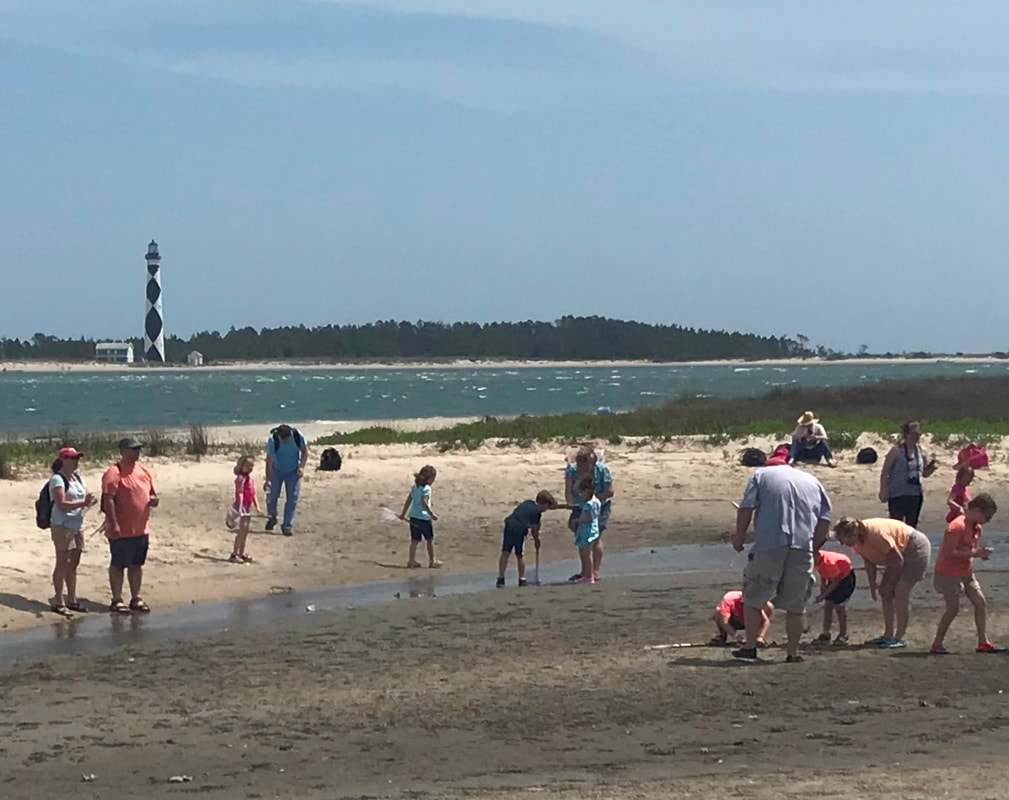
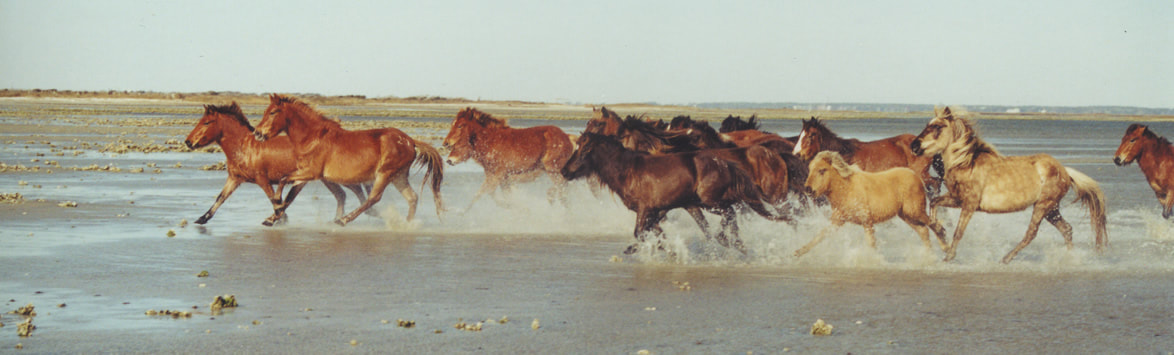
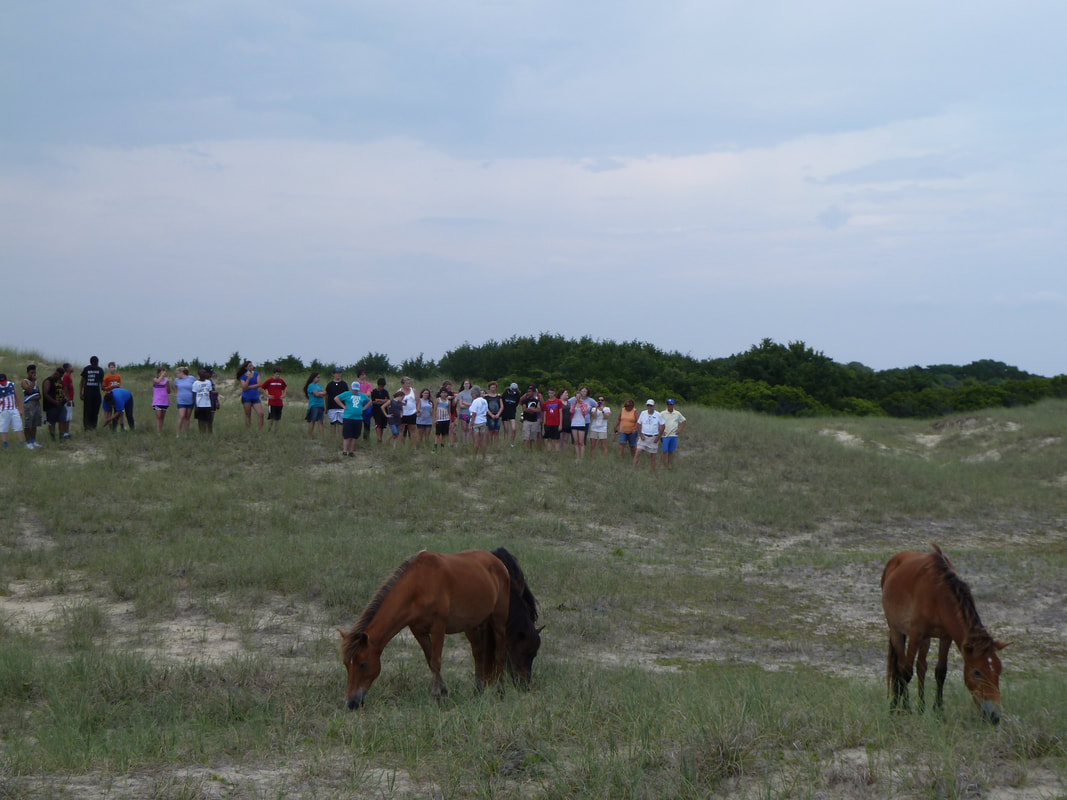
Shackleford Banks AdventureThe Eastern End of Shackleford Banks is a special place. Steeped in history, rich in marine life, remarkable in its beauty, this is one of the most unique locations on the grand coast of North Carolina. This end of the Shackleford Banks is bordered by hundreds of acres of salt marsh teeming with life. Banker ponies are found grazing in higher numbers here than anywhere else in the state. A short distance across the inlet stands the Cape Lookout Lighthouse, a beacon for over 160 years. We chose this location as an inspiring setting for learning and discovering, for viewing living history and encountering the wonders of coastal life. Activities include netting marine life in the salt marsh, crabbing, and beach explorations. Fishing can be included seasonally by choosing to do our four hour version of this program.
Shackleford Banks and Core Banks are part of
Cape Lookout National Seashore |
|
Cape Lookout DiscoveryVisit one of the most scenic locations on the Carolina coast during this excursion to Core Banks and the Cape Lookout lighthouse. During this program we explore tidal flats, study pristine beaches, and visit the 163' high Cape Lookout lighthouse! The lighthouse has been guiding mariners around North Carolina's treacherous shoals since 1859. The geography, water and beaches of Cape Lookout are remarkably beautiful. This program departs from the charming coastal community of Harkers Island.

|
|
Island Hopping the Outer BanksTwo islands in one field trip! We offer this program to both Cape Lookout and Shackleford Banks in one five-hour incredible field trip! In addition to visiting the Cape Lookout lighthouse, this program includes an exploration of the remote eastern point of Shackleford Banks where banker ponies are commonly found.
|
|
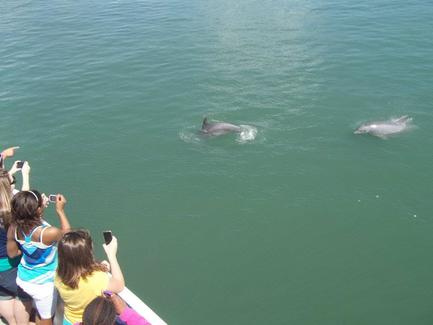
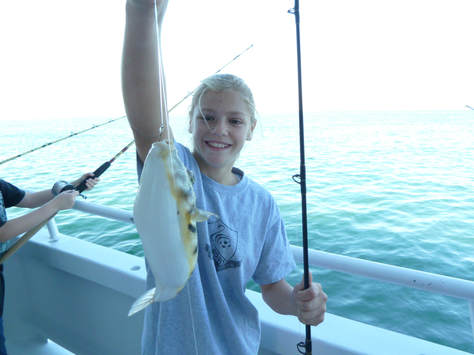
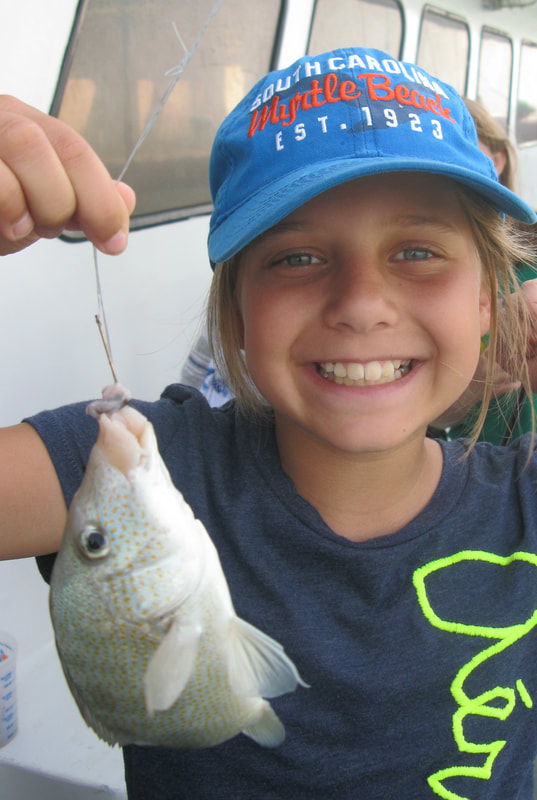
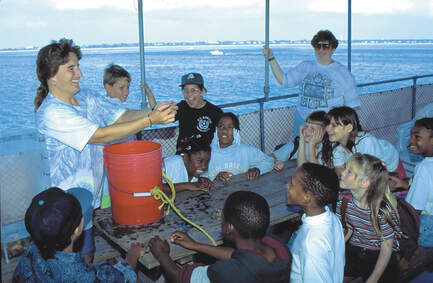
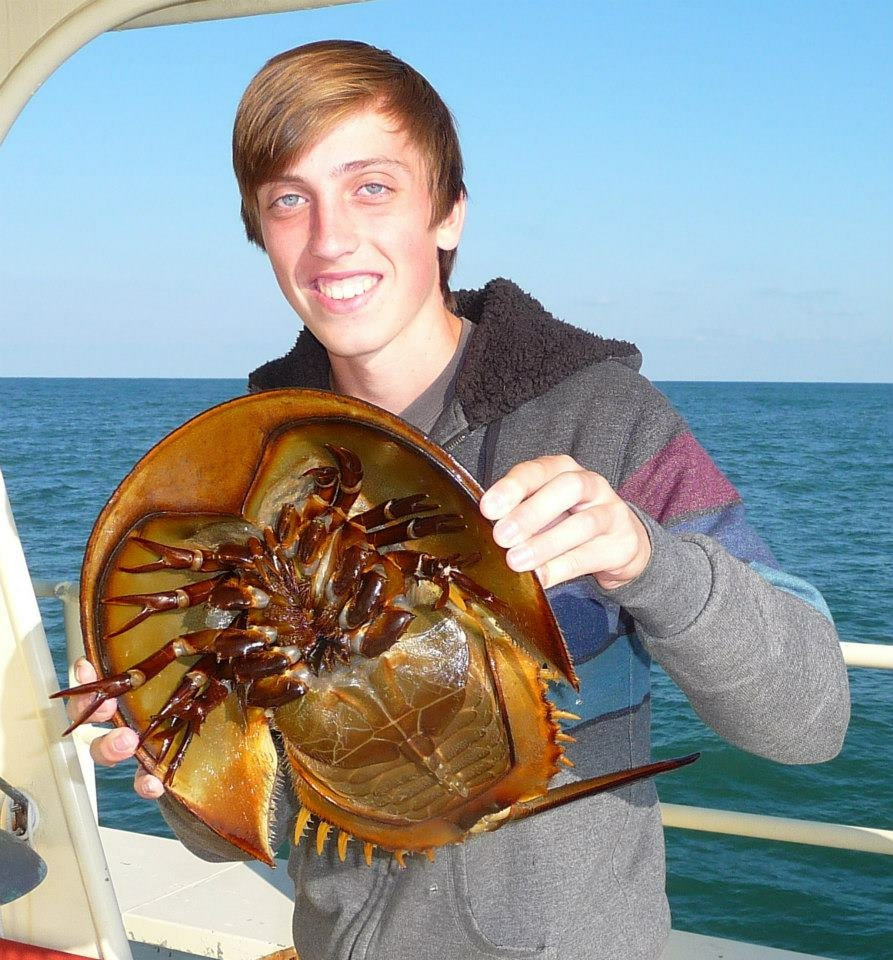
Ocean Ecology CruiseA trip on the open ocean connects us to the life, energy, and scale of Earth's largest and most important environment. This adventure offers the best fishing of any of our half-day trips as we travel to 3 miles offshore to fish for sea bass, porgies, blues and an assortment of other species. Vertebrate and invertebrate studies also take place with marine life collected in a shrimp trawl. The fish the students catch become the subject matter for the study of ecology, adaptations, and other natural science topics. This is a great trip for sighting bottlenose dolphin!
|
|
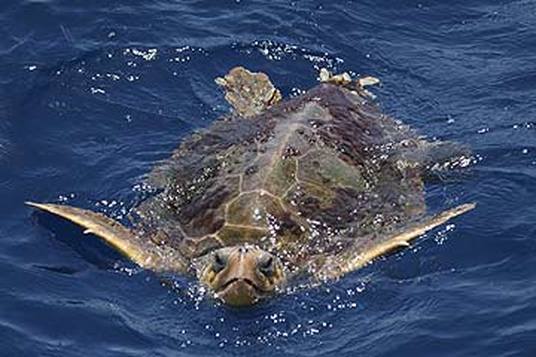
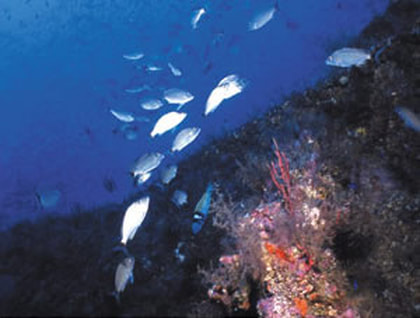
Gulf Stream Nature ExcursionTraveling to the Gulf Stream is like traveling to an undiscovered realm for many people. It is a place of crystal blue water and magnificent marine life. Flying fish, 300-pound sea turtles, and dolphin are often observed. Students catch and learn about reef fish during this full day offshore trip. Students also take part in oceanographic studies.
|
|